Categories
Tags
-
#Agricultural High Pressure Spray Nozzle
#Industrial Needs
#Crystal Glass Pendant
#Blush Manufacturer
#Air Purifier Fan
#leather sewing machine spare parts
#Jojo Magnet Paper
#cemented carbide tips
#Deep Fryer 3L
#Multifunction socket
#Spring Check Valve
#Frying Pan Factory
#Non-Stick Frying Pan Supplier
#Axial Flow Fan Manufacturer
#External Rotor Axial Fan
#Plumbing Pipe Crimping Tool
#Hydraulic Crimping Tool
#Halloween Makeup Kit
#Party Body Glitter
#Battery Pipe Expander
#Battery Pipe Plumbing Tool
#Smart Door
#Printing Machine Sensor
#Carton Close Staple
#LED Christmas Curtain Lights
#Injection Color Masterbatch
#PlasticMasterbatchManufacturer
#Cat Delivery Room
#Oil Pipeline Valve
#Nail Polish
#Watercolor Pen
#Macaron Color Watercolor Pen
#High And Low Voltage Isolation Switch
#Manual Pipe Cutting Machine
#Metal stud
#Beverage Pearlescent Film Label
#PLA Compostable Takeaway Containers
#Kawaii Erasers
#Cast Iron Frying Pan
#Pearlescent Color Masterbatch
#Hydraulic clutch release bearing
#Oriental Rugs
#Portable Electric Mobility Scooter
#Automotive Plastic Mould
#Kermit camping chair
Archives
When Simple Errands Start Feeling Like Major Decisions
-
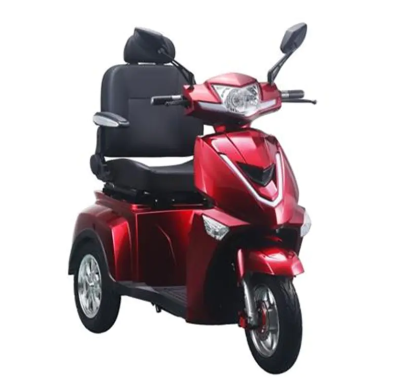
There’s a moment many older adults recognize but rarely talk about. Standing by the door. Keys in hand. Wondering if the trip is really worth the effort. The store isn’t far. The park is just down the street. But the walk feels longer than it used to. This is often when people first start searching for a Portable Electric Mobility Scooter or an Elderly Care Scooter, not because they want to give up walking, but because they want choices back.
What makes this stage difficult isn’t immobility—it’s uncertainty. Will there be a place to sit? Will the sidewalk feel uneven today? Will I have enough energy to get back? Over time, these questions quietly limit daily life. Outings become fewer. Social plans get postponed. Independence shrinks without anyone noticing.
Many people try to manage with “old solutions.” Leaning harder on canes. Taking longer routes with more rest stops. Depending on family members for rides even when they don’t want to ask. These work—for a while—but they come with emotional cost. Needing help for things that once felt simple can feel heavier than the task itself.
A Portable Electric Mobility Scooter changes the experience without changing the person. Users don’t stop walking; they stop worrying. Instead of calculating every step, they move with confidence. Trips become spontaneous again. A quick errand stays quick, not exhausting.
As an Elderly Care Scooter, it fits naturally into daily routines. Getting groceries. Visiting neighbors. Enjoying fresh air without planning recovery time afterward. There’s no pressure to “keep up” or prove anything—just the freedom to go.
Unexpected moments matter most. A longer line at the pharmacy. A detour due to construction. A sudden feeling of fatigue halfway home. Having reliable mobility support turns these moments from stress into non-issues.
What users often say isn’t “I move faster now,” but “I go out more.” And that difference—quiet but powerful—is where independence truly lives.