The Rhythm of the Endgame: Nightmare Dungeons and the Pursuit o
-
Upon completing the campaign in Diablo 4, a fundamental shift occurs. The open world, with its guided quests and scripted narratives, gives way to a self-directed, cyclical pursuit of perfection. At the center of this endgame ecosystem lies the Nightmare Dungeon, a system that transforms familiar locations into scalable, unpredictable, and intensely rewarding challenges. This mechanic, coupled with the fluctuating chaos of Helltide events, forms the primary rhythm for players seeking to push their builds to the absolute limit and chase the game's most coveted rewards.
Nightmare Dungeons are not simply harder versions of normal dungeons; they are a procedural test of a character's comprehensive strength. By using a Nightmare Sigal, a player activates a specific dungeon, infusing it with a set of formidable modifiers. One run might feature monsters that explode on death, while another could suppress all healing effects, demanding a complete reassessment of tactics. Most importantly, each sigil elevates the dungeon to a specific tier, dramatically increasing the level and stats of all enemies. This creates a perfect, infinitely scalable challenge ladder. Success is not merely about survival, but about speed and efficiency, as defeating the dungeon within a time limit yields the greatest upgrade for the sigils themselves, allowing access to even higher tiers.
The strategic depth of Nightmare Dungeons comes from the necessity to adapt. A build that excels at clearing wide-open spaces may struggle in tight, monster-packed corridors. The random "affixes" on a sigil can directly counter a player's preferred strategy, forcing moments of thoughtful engagement rather than mindless repetition. The ultimate goal is to push as high a tier as possible, which requires not just powerful gear, but a deep understanding of how to manipulate one's skills, positioning, and resource management under extreme pressure. The loot reward matches the effort, with the chance for superior ancestral items and rare unique drops increasing alongside the dungeon's tier.
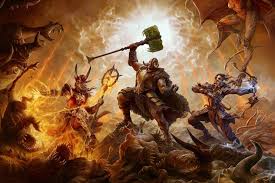
Complementing this structured challenge are the Helltide events. These are timed, open-world invasions where two regions of Sanctuary are temporarily overrun with especially powerful demons. The unique currency of Aberrant Cinders, which drop only from enemies during these events and are lost on death, creates a thrilling risk-reward tension. Players must decide whether to play it safe and bank their cinders frequently at special ritual altars, or risk carrying a large stash for a more valuable payoff. The rewards, including exclusive crafting materials and powerful gear, make participation essential. Together, Helltides and Nightmare Dungeons create a compelling loop: farm Helltides for sigils and materials, then test your gains against the calibrated challenge of the dungeons. This is the true endgame of Diablo 4 Items—a continuous, player-driven cycle of preparation, execution, and escalation in the endless war for a stronger self.