Categories
Tags
Archives
Protecting sensitive systems with NIST 800-63A IAL3
-
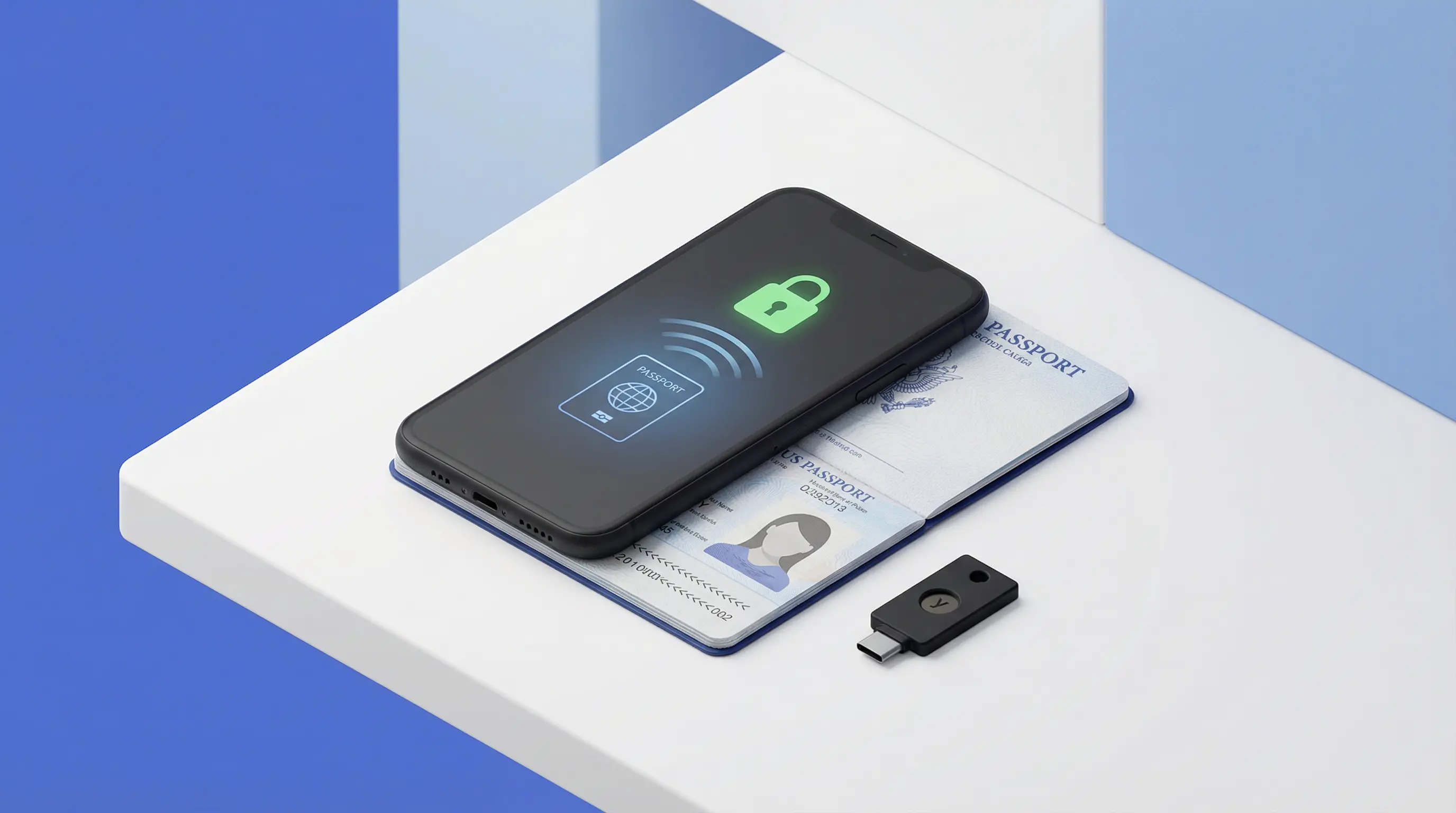
Acquiring FedRAMP High authorization can be an arduous journey. One simple requirement - such as IAL3 verification - can stand in the way of meeting requirements and receiving approval.
Identity verification involves linking validated evidence with real-world individuals. The strength of this linkage, known as validation strength, ranges from weak to strong.
NIST IAL3 verification
NIST IAL3 verification is the highest level of identity and verification (ID&V), requiring a trained CSP representative to interact directly with applicants as part of an on-site identity proofing session, collecting at least one biometric characteristic from them as part of this rigorous approach. IAL3 helps reduce more advanced attacks such as evidence falsification, theft, repudiation and other advanced social engineering tactics.
NIST 800-63A IAL3 provides Identity Assurance Levels (IALs) as a measure of certainty that an identity claimed matches the real-world one, as well as Federation Assurance Levels (FAL) that convey confidence in federated assertions, so relying parties can make informed risk decisions about providing access based on these FALs.
A robust solution must be capable of validating core attributes from multiple sources and authenticate evidence presented by applicants, including matching up photos on evidence to those taken in person; checking vital statistics repositories; and matching biometric characteristics presented by them with those used by enrolled sets of biometrics.
IAL3 identity proofing
IAL3 identity proofing guidelines have significantly revamped digital authentication and verification processes by revising levels of assurance (LOA) to address advanced fraud threats like voice clones, AI deepfakes and social engineering attacks that bypass traditional IAL2 protections.
At IAL3, proofing must include providing high-strength identity evidence backed by authoritative sources, in addition to either a physical in-person or remote verification session. This step ensures that a digital identity claimed matches up with a real world person, thus decreasing risk of impersonation and fraud. Authentication methods used at this level must include document inspection, facial image comparison with liveness detection software and verification of multiple identity data points.
TrustSwiftly's solution assists companies in attaining IAL3 compliance through chat, video, facial recognition with liveness detection and document authentication. Furthermore, it offers step-up reproofing options based on risk for ongoing identity assurance beyond single point-in-time checks - meeting NIST's spirit of continuous identity assurance.
IAL3 compliant solution
The IAL3 standard establishes high assurance levels of identity proofing and authentication to defend against more sophisticated attacks. It requires in-person identification as well as rigorous evidence validation procedures. Furthermore, it demands phishing-resistant methods like FIDO Passkeys as well as efficient federation.
Leading IAL3 compliant solution utilize sophisticated document verification methods and facial recognition with liveness detection to verify claimed identities in the real world, while providing seamless user experiences and protecting against a wide variety of attack surfaces.
These technologies are both scalable and cost-effective, offering an audit trail for decision making. Relying parties can use them to make informed risk decisions that meet NIST standards while taking into account any unique security challenges they might encounter. They can even help organizations with limited resources meet PCI DSS compliance. They offer significant assistance for organizations required to abide by strict privacy laws or complying with certain PII regulations such as PCI DSS compliance requirements.
Trust Swiftly
Trust Swiftly's remote IAL3 verification solution meets NIST standards while saving money and satisfying auditors - as well as its flexible identity verification techniques being able to meet varying industry and supervisory requirements.
Trust Swiftly utilizes 15 methods of authentication to quickly approve real customers while deterring fraudsters quickly, creating a smooth customer experience while mitigating false declines, chargebacks and reputational damage risks.
Setup is simple, and its pay-as-you-go pricing model makes it cost-effective for eCommerce businesses of any size. Stripe Radar's integration enables additional security reviews to be automated based on transaction risk; risky transactions are routed for further review of email, phone number, ID selfie liveness micro charges SSN as well as prevent fraudulent purchases before they are even processed; further reviews could save online retailers hundreds or even thousands in chargeback losses from chargebacks.