Categories
Tags
-
#Agricultural High Pressure Spray Nozzle
#Industrial Needs
#Crystal Glass Pendant
#Blush Manufacturer
#Air Purifier Fan
#leather sewing machine spare parts
#Jojo Magnet Paper
#cemented carbide tips
#Deep Fryer 3L
#Multifunction socket
#Spring Check Valve
#Frying Pan Factory
#Non-Stick Frying Pan Supplier
#Axial Flow Fan Manufacturer
#External Rotor Axial Fan
#Plumbing Pipe Crimping Tool
#Hydraulic Crimping Tool
#Halloween Makeup Kit
#Party Body Glitter
#Battery Pipe Expander
#Battery Pipe Plumbing Tool
#Smart Door
#Printing Machine Sensor
#Carton Close Staple
#LED Christmas Curtain Lights
#Injection Color Masterbatch
#PlasticMasterbatchManufacturer
#Cat Delivery Room
#Oil Pipeline Valve
#Nail Polish
#Watercolor Pen
#Macaron Color Watercolor Pen
#High And Low Voltage Isolation Switch
#Manual Pipe Cutting Machine
#Metal stud
Archives
Metal stud Shows Strength in Threaded Details
-
Metal stud can transform complex fastening tasks into straightforward assembly steps, and this transformation shows up often in construction and production settings. At first glance, a stud looks like a simple cylinder with threads at one or both ends, but that simplicity hides an adaptable design that fills many roles in mechanical and structural connections.
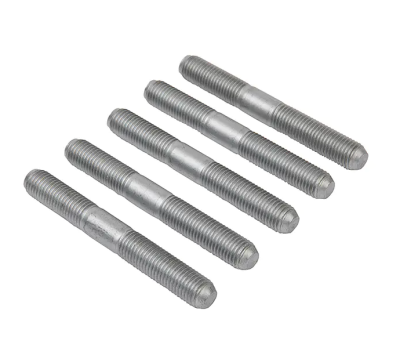
Studs come in styles that fit different needs. Some have threads along their entire length, while others present a plain shank section between threaded ends. Fully threaded studs are useful where nuts must engage across the full length, letting installers adjust tension easily along the interface. Double-ended studs with distinct threaded ends help join components where precise thread engagement matters at each connection point. This variety gives builders choices for the job at hand and supports coordination with accompanying hardware.
Selecting Metal stud begins with thinking about load and service conditions. In assemblies where tension plays a major role, a stud with carefully matched threads and material properties resists pull-apart forces while tightening remains even. Mechanical designers often prefer studs when assemblies will be taken apart and reassembled repeatedly, because inserting and removing nuts from studs can avoid wear on base material threads.
In fastening tasks involving flanges or structural plates, studs play a critical role. When pipes or frame elements are bolted together, studs provide a fixed threaded element with which nuts can engage without rotating the primary component. This eliminates awkward bolt insertion in tight spaces and allows assembly crews to work more efficiently and predictably.
Crew members in workshops often mention the practical appeal of studs because they are easy to pick from racks by size and thread pitch. Standard threads match common metric or inch specifications, so compatibility issues with nuts and mating parts remain minimal. Once the desired size is identified, cutting or customizing studs to required lengths becomes routine, allowing teams to tailor fasteners to specific situations.
Studs also find use in anchoring systems where fixtures must be removable. Transparent support frames, machinery mounts, and electrical cabinets benefit from threaded studs because these fasteners permit secure attachment without permanently altering the base surface. Workers can remove and replace panels or devices without disturbing the underlying threads, making maintenance smoother.
Material choice adds another layer of adaptability to Metal stud. Steel studs handle demanding tensions, while corrosion-resistant alloys like stainless steel perform well in environments exposed to moisture or chemicals. Lighter metals such as aluminum offer reduced weight where weight matters, without diminishing thread engagement quality.
Field crews appreciate that studs require only basic tools for installation. Matching washers and nuts with threaded stud ends allows tightening with familiar wrenches or sockets, and no special equipment is necessary in most cases. This compatibility with basic hand tools keeps installation fluid and empowers even less experienced workers to contribute effectively.
Metal stud shapes the way parts connect in systems we rely on every day—bridges, machines, vehicles, and infrastructure all benefit from the work of threaded fasteners. Its role in joining materials remains essential in countless scenarios worldwide, letting fasteners do what they do best: keep things connected.