Categories
Tags
Archives
Beyond the Vault Door: The Art of Exploration in Fallout 76
-
The initial steps out of Vault 76 are more than a tutorial; they are an invitation into one of the most richly detailed and geographically diverse worlds in the Fallout franchise. Exploration is not merely a side activity in Fallout 76; it is the core gameplay pillar, the primary driver of discovery, and the source of its most profound rewards. The map of Appalachia is a sprawling tapestry of distinct biomes, haunting ruins, and hidden stories, designed to reward the curious and the observant at every turn. This commitment to a rewarding exploration loop is what sustains the journey long after the main quests are completed.
The genius of the map lies in its verticality and regional diversity. Travel is a constant visual feast, moving from the toxic, crimson marshes of the Cranberry Bog to the serene, forested peaks of the Savage Divide, or from the irradiated desolation of the Ash Heap to the verdant, mutated strangeness of the Mire. Each region possesses its own ecosystem of creatures, resources, and environmental hazards. This variation ensures that exploration never feels monotonous. The topography itself encourages investigation, with winding mountain paths leading to secluded cabins, deep caves hiding valuable minerals, and crumbling highways offering panoramic views that beckon you toward distant landmarks. Unlocking new **locations** becomes a compulsive goal, each fast-travel point representing a conquered frontier and a new hub for future adventures.
This exploration is deeply tied to progression and storytelling. Unlike games that handhold players with glowing markers, Fallout 76 often provides only subtle clues. A distant radio signal, a marked map found on a corpse, or simply the intriguing silhouette of a structure on a ridge can launch an hour-long detour. The reward for this curiosity is multifaceted. You may discover a new **location** rich with crafting materials, stumble upon a hidden boss encounter, or unlock a new side quest by interacting with an environmental detail. The most powerful narratives are often those you piece together yourself from holotapes, terminal entries, and carefully placed set pieces within an unmarked ruin. You become an archaeologist, and every discovered bunker, factory, or town square offers a self-contained story of Appalachia's final days.
The game masterfully uses the unknown to create tension and wonder. The compass at the bottom of the screen is a persistent source of mystery. A red blip could indicate a simple Molerat or a legendary Deathclaw. The eerie shriek of a Distant Thunder event or the ominous shadow of a Scorchbeast circling far overhead pulls you toward potential danger and potential reward. This balance of risk and discovery is perfect. You explore not just for the scenery, but for the tangible thrill of finding better gear, rare plans for your C.A.M.P., or a pocket of untouched resources.
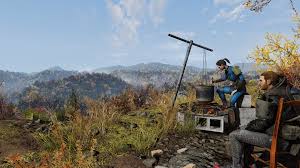
Fallout 76 Boosting understands that a world worth saving is a world worth knowing. It empowers the player with the freedom to choose their own direction and trusts that the environment itself is compelling enough to guide them. The drive to reveal every shaded corner of the map, to uncover every named **location**, and to understand the stories buried in the hills is a powerful, self-sustaining engine. In Appalachia, the journey is not just a means to an end; it is the most rewarding destination of all, promising that over the next ridge, a new story, a new challenge, and a new vista always awaits.