Categories
Tags
Archives
The Haunting Beauty of Appalachia: Fallout 76's Environmental N
-
The true protagonist of Fallout 76 is not the Vault Dweller, but the land itself. While its multiplayer features and evolving storylines have rightfully garnered attention, the game's most enduring and masterful achievement lies in its profound and poignant **environmental storytelling**. Appalachia is a vast, open-air museum of American collapse, where every crumbling structure, abandoned personal effect, and eerily posed skeleton whispers a tale of the world that was, and the catastrophic moment it ended. This silent narrative layer provides a depth and emotional gravity that underpins every other activity in the wasteland.
This storytelling method demands the player become an archaeologist. There is no quest marker pointing to the story of a doomed survivalist; you must find his makeshift camp, read his terminal entries, and follow the trail of his final, desperate notes. A child's bedroom, frozen in time with a toy rocket and a radiation suit three sizes too big, tells a heart-wrenching story of hope and futility. A diner counter set for two, with skeletons sharing one last meal, speaks volumes about love and loss. These vignettes are not merely set dressing; they are self-contained emotional experiences. The game trusts the player to slow down, observe, and piece together these micro-histories, rewarding curiosity with a deeper, more somber understanding of the Great War's human cost.
The brilliance of this **environmental storytelling** is how it shapes the player's relationship with the present-day world and its inhabitants. The haunting loneliness evoked by discovering these silent tragedies makes the sudden, friendly wave from another player a genuinely meaningful event. You share a space saturated with a history you've both individually uncovered. This context makes the act of rebuilding—whether building a C.A.M.P. or helping a faction—feel more significant. You are not just grinding for resources; you are cautiously planting new life in soil you now understand is fertile with ghosts and forgotten dreams. The weight of the past gives purpose to the present struggle.
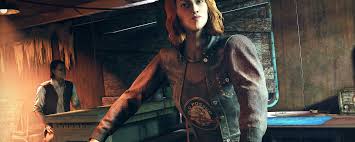
Furthermore, this approach creates a unique tonal balance. The absurdity of fighting a giant, mutated sloth is juxtaposed with the sobering discovery of a pre-war protest site. The whimsical randomness of finding a pie is undercut by the grim reality of a mass grave. This contrast is pure Fallout, and it is executed here not through dialogue, but through placement and design. The environment itself delivers the franchise's signature dark humor and tragic satire, allowing the player to feel the full spectrum of the wasteland's identity.
Fallout 76 Bottle Caps's world succeeds because it feels authentically lived-in and tragically lost. The **environmental storytelling** provides a constant, compelling reason to explore every nook and cranny, offering narratives that are discovered, not dictated. It ensures that Appalachia is more than just a playground for combat and commerce; it is a memorial, a cautionary tale, and a beautiful, broken landscape where the most powerful stories are those told without a single word.