Categories
Tags
-
#Agricultural High Pressure Spray Nozzle
#Industrial Needs
#Crystal Glass Pendant
#Blush Manufacturer
#Air Purifier Fan
#leather sewing machine spare parts
#Jojo Magnet Paper
#cemented carbide tips
#Deep Fryer 3L
#Multifunction socket
#Spring Check Valve
#Frying Pan Factory
#Non-Stick Frying Pan Supplier
#Axial Flow Fan Manufacturer
#External Rotor Axial Fan
#Plumbing Pipe Crimping Tool
#Hydraulic Crimping Tool
#Halloween Makeup Kit
#Party Body Glitter
#Battery Pipe Expander
#Battery Pipe Plumbing Tool
#Smart Door
#Printing Machine Sensor
#Carton Close Staple
#LED Christmas Curtain Lights
#Injection Color Masterbatch
#PlasticMasterbatchManufacturer
#Cat Delivery Room
#Oil Pipeline Valve
#Nail Polish
#Watercolor Pen
#Macaron Color Watercolor Pen
#High And Low Voltage Isolation Switch
#Manual Pipe Cutting Machine
#Metal stud
#Beverage Pearlescent Film Label
#PLA Compostable Takeaway Containers
#Kawaii Erasers
#Cast Iron Frying Pan
#Pearlescent Color Masterbatch
#Hydraulic clutch release bearing
#Oriental Rugs
Archives
Hydraulic Clutch Release Bearing Makes Shifting Feel Natural
-
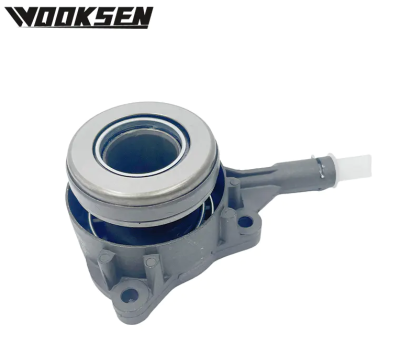
The hydraulic clutch release bearing plays a central role in modern manual transmissions, even though it rarely gets attention. Each time the clutch pedal is pressed, hydraulic pressure travels through lines and reaches the bearing. That pressure moves the bearing forward, releasing the clutch and allowing gears to change without resistance.
One reason the hydraulic clutch release bearing gained popularity is its ability to deliver consistent pedal response. Mechanical systems rely on cables or levers that can stretch or wear unevenly. In contrast, hydraulic force distributes pressure evenly, helping the bearing move in a controlled manner. This consistency improves driving confidence, especially during frequent shifting.
Environmental factors influence performance over time. Temperature changes affect fluid behavior and seal flexibility. In colder conditions, fluid thickens slightly, altering pedal feel. During extended driving in warm environments, heat can challenge seal durability. A healthy hydraulic clutch release bearing adapts to these changes while maintaining smooth engagement.
Drivers may first notice trouble during gear changes. Difficulty selecting gears, clutch drag, or fluid loss near the transmission housing can suggest internal wear. Because the hydraulic clutch release bearing shares space with other clutch components, symptoms sometimes overlap. Careful inspection helps identify the true source.
The hydraulic clutch release bearing connects pedal input to clutch response in a direct, fluid-driven way. Its presence simplifies system layout and refines driving feel. While hidden from view, it remains active every time a gear changes. Understanding its function allows drivers to recognize early signals, appreciate smooth shifts, and keep control firmly in their hands.